Pipe Leak Repair in Garfield, NJ
Pinpoint and resolve pinhole leaks, corroded galvanized lines, failed PEX fittings, and winter freeze bursts before extensive water damage ruins your home. Serving Garfield with non-invasive diagnostic precision.
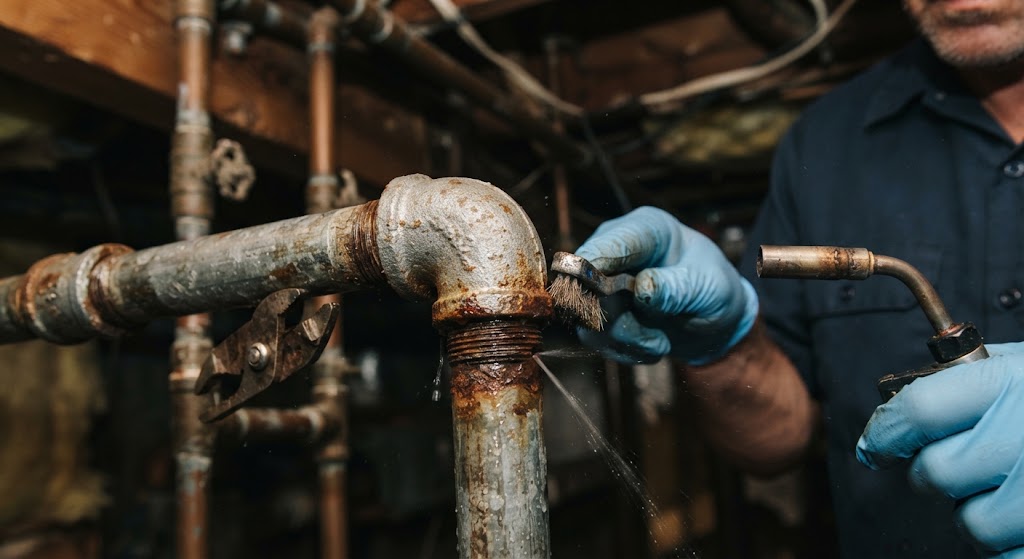
Precision Pipe Diagnostics for Garfield Multi-Family Homes
Leaking plumbing pipes inside residential walls create silent havoc. When searching for reliable pipe leak repair Garfield NJ homeowners often discover that pinpointing the exact rupture is far more challenging than the physical repair itself. Within the first 100 words of diagnosing pipe failure, understanding how non-invasive acoustic sensors find hairline fractures prevents indiscriminate tearing of historic plaster walls in properties throughout Downtown Garfield and the Midland Avenue corridor.
Most residential structures throughout Garfield date back to the early 1900s, featuring original threaded galvanized iron plumbing, aging copper water branches, and older lead joints. Decades of internal mineral deposition, water velocity turbulence, and aggressive Northern New Jersey winter freeze-thaw cycles cause pipes to thin from the inside out until microscopic pinholes pierce through the pipe wall.
Whether you require active containment from our emergency leak repair specialists or need to check behind finished drywall with our hidden water leak detection team, we isolate the exact breach with pinpoint accuracy.
Common Pipe Materials & Vulnerabilities in Garfield
Understanding what pipes exist inside your home helps predict where leaks will appear:
- Early-1900s Galvanized Steel: Heavy internal rust narrowing water flow, leading to joint fractures, thread decay, and discolored water.
- Vintage Copper Tubing: Subject to pitting corrosion and pinhole leaks along elbows and horizontal runs after 40 to 60 years of service.
- Modern PEX & Transition Fittings: Stressed crimp rings or failed plastic adapters installed during partial bathroom remodels.
Step-by-Step Pipe Leak Detection Methodology
Before any cutting or repiping begins, we execute a rigorous diagnostic sequence to isolate the leaking pipe section:
1. Hydrostatic Pressure Testing
We test isolated hot and cold domestic plumbing branches using precision digital pressure gauges to verify line integrity and measure pressure drop rates.
2. Acoustic Amplification
Escaping pressurized water generates a distinct acoustic frequency. Sensitive acoustic sensors amplify this sound through walls, floors, and ceilings to locate the fracture.
3. Infrared Thermal Scans
Thermal imaging cameras detect subtle heat radiation variations caused by hot water line leaks or evaporative cooling from cold supply spray inside wall cavities.
4. Structural Demarcation
We mark the exact radial footprint on the exterior drywall or flooring surface, allowing your plumbing professional to make a clean, minimal incision.
Dripping Pipes or Sudden Loss of Pressure in Garfield?
Do not let persistent drips ruin your floors and framing. Speak directly with a local leak detection specialist today.
What Happens After the Leak Is Found: Repair vs. Section vs. Repiping
Finding the exact leak location empowers you to choose the most sensible, cost-effective repair strategy performed by an NJ licensed master plumber:
- Spot Clamp or Localized Solder: For an isolated copper pinhole in good quality pipe, soldering a new copper coupling or pressing a ProPress fitting provides an immediate, long-lasting fix.
- Section Replacement: When a 3- to 6-foot section of pipe exhibits multiple pitting marks or localized freeze damage, cutting out that section and installing modern PEX tubing resolves the hazard.
- Complete Branch Repiping: If early-century galvanized pipes are extensively corroded throughout an entire multi-family flat, repiping that entire branch prevents endless recurring leaks.
To inspect underground service lines feeding your home, visit our water line leak detection page.
Cost Factors Influencing Pipe Repairs
Several practical factors determine the overall scope of pipe detection and repair work:
- Pipe Accessibility: Pipes exposed in open basement floor joists are far simpler to repair than lines encased in tiled bathroom walls or beneath wood flooring.
- Material Compatibility: Transitioning between vintage galvanized steel and modern copper or PEX requires specialized dielectric unions.
- Winter Freeze Severity: Frozen pipes that burst in unheated wall cavities often fracture in several places along the run.
Garfield Neighborhoods & Winter Frozen Pipe Prevention
Northern New Jersey winters place tremendous stress on older plumbing. Here is how neighborhood construction impacts pipe resilience:
Downtown Garfield
Historic two- and three-family buildings near the Garfield train station have long vertical pipe chases adjacent to drafty exterior walls where freeze-ups occur.
Outwater Lane Area
Homes along Outwater Lane often feature crawlspaces and unheated additions where exposed copper branch lines require foam pipe insulation.
Midland Avenue Corridor
Properties along Midland Avenue with older detached garages or outdoor spigots require winterization shut-offs before freezing temperatures strike.
Frozen Pipe Prevention Tips for New Jersey Winters
When sub-freezing temperatures arrive, keep interior thermostat settings at a minimum of 55°F, open vanity doors under sinks on exterior walls to circulate warm air, and insulate any water lines passing through unfinished basement spaces. If a pipe freezes, never use an open flame torch; open faucets and thaw lines gradually with warm air.
If an active pipe rupture occurs, immediately consult our emergency leak repair guide or call our hotline.
Speak Directly With a Local Garfield Pipe Specialist
Get clear diagnostic answers and fast assistance for any pipe leak issue across Garfield and surrounding towns.
Frequently Asked Questions About Pipe Leak Repair in Garfield
Pinhole leaks in copper lines are caused by internal pitting corrosion from decades of municipal water flow, velocity friction, and age in vintage multi-family residential plumbing.
Isolated leaks in otherwise sound copper can be repaired with a localized section splice. However, if early-1900s galvanized piping exhibits widespread internal rusting and repeated pinholes, full or partial repiping is recommended.
Insulate water pipes along unheated exterior basement walls and crawlspaces, seal foundation air drafts, maintain consistent interior heat above 55 degrees Fahrenheit, and allow cold-water faucets to drip slightly during deep sub-zero freezes.