Sewer Line Leak Detection in Garfield, NJ
Pinpoint cracked clay pipes, corroded cast-iron laterals, and root intrusions before sewage damages your property. High-definition camera inspections and smoke testing across Garfield, NJ.
Precision Sewer Lateral Diagnostics for Garfield Homes
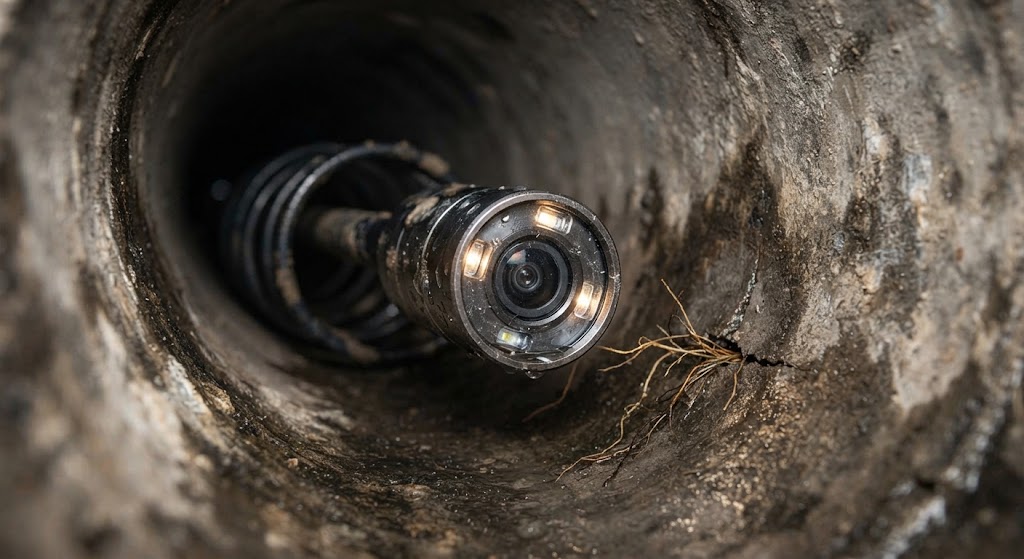
A compromised sewer lateral is a hazardous, disruptive problem. When seeking reliable sewer line leak detection Garfield NJ property owners turn to high-definition video diagnostics to find the exact pipe defect without tearing up front yards or ripping open finished basement walls. Within the first 100 words of investigating sewer malfunctions, understanding how camera sensors navigate underground laterals prevents expensive exploratory excavation throughout Downtown Garfield and the Outwater Lane corridor.
Garfield's dense multi-family residential districts were primarily constructed during the early 1900s, utilizing vitreous clay sewer pipes outside and heavy cast-iron stacks inside. Over decades of service, ground shifting along the Passaic River basin, tree root infiltration, and internal channeling corrosion produce hidden cracks that release noxious sewer gas, erode subgrade soils, and cause foul wastewater to seep through basement foundation walls.
Whether you need to compare drain issues with our basement leak detection technicians or inspect pressurized water pipes with our water line leak detection team, we pinpoint sewer lateral issues with surgical precision.
Warning Signs of a Damaged Sewer Lateral
Sewer failures often develop gradually before causing full household backups. Watch for these symptoms:
- Persistent sewer gas or sulfur odors lingering in basements, crawlspaces, or yards
- Multiple plumbing fixtures draining sluggishly or bubbling when toilets flush
- Soggy, sunken patches of turf with unusually lush green grass growth over the sewer path
- Damp foundation walls or dark moisture stains along basement floor slab perimeters
- Recurring drain clogs that return quickly even after conventional mechanical cabling
Our Step-by-Step Sewer Line Diagnostic Process
We deploy advanced optical, acoustic, and smoke diagnostic tools to uncover sewer defects non-invasively:
1. HD Video Camera Inspection
We guide a high-resolution, self-leveling color camera through your main sewer cleanout, recording interior conditions all the way to the municipal sewer tie-in.
2. Electromagnetic Sonde Tracing
A built-in radio transmitter at the camera head emits a signal picked up by our surface locator, identifying the precise ground location and burial depth of the fracture.
3. Diagnostic Smoke Testing
For elusive sewer gas odors inside living areas, harmless non-toxic diagnostic smoke introduces pressure into vent stacks to reveal hidden wall fissures.
4. Video Footage & Defect Report
We provide full digital video recordings and still captures illustrating the exact location, pipe condition, and recommended repair strategy.
Smelling Sewer Odors or Experiencing Slow Drains in Garfield?
Locate the exact pipe fracture without blind digging. Speak directly with our diagnostic specialist today.
What Happens After Detection: Trenchless Lining vs. Excavation
Accurately mapping your sewer lateral allows an NJ licensed master plumber to recommend modern, non-destructive rehabilitation:
- Cured-In-Place Pipe (CIPP) Lining: Installing an epoxy-soaked felt liner through existing cleanouts. The liner cures into a rock-solid, seamless composite pipe within the existing damaged lateral without excavating your lawn or driveway.
- Pipe Bursting: Pulling a heavy-duty seamless HDPE sewer line through the old failing clay pipe, fracturing the old pipe outward and replacing it seamlessly.
- Targeted Point Repair: When damage is confined to a single collapsed joint near the curb, a small surgical excavation pit replaces the broken segment directly.
For fixture and drain diagnostics, visit our shower & bathroom leak detection page.
Sewer Inspection & Repair Cost Factors
Key physical variables that govern sewer line diagnostic and repair scope:
- Cleanout Accessibility: An existing ground-level or basement cleanout allows rapid camera entry; unthreaded traps require trap removal.
- Lateral Length & Depth: Lines extending 60 to 100 feet from rear yards to street mains require high-output camera reels and deeper tracing.
- Tree Root Density: Heavy root mats must be mechanically cleared before a thorough optical inspection can be completed.
Garfield Neighborhoods Where Sewer Line Failures Are Common
Sewer lateral vulnerabilities across Garfield reflect local age and terrain:
Downtown Garfield
Dense two- and three-family buildings near the train station have vertical cast-iron soil stacks subject to age-related base corrosion and cracked bell-and-spigot joints.
Outwater Lane Corridor
Properties along Outwater Lane often feature mature shade trees whose aggressive roots seek moisture inside aging clay sewer lateral hub connections.
Passaic River Area
Homes near the Passaic River corridor encounter moist soils and groundwater fluctuations that accelerate ground settling and lateral joint shear.
When Is a Sewer Leak an Immediate Emergency?
If raw sewage is backing up into basement floor drains, creating health hazards for multi-family tenants, or causing sinkholes near foundation footings, stop all water use immediately and contact our office or review our emergency leak repair protocol.
Explore coverage details for nearby towns like Passaic and Clifton on our Garfield leak detection service areas page.
Speak Directly With Our Garfield Sewer Camera Specialist
Schedule a high-definition video sewer lateral inspection across Garfield today.
Frequently Asked Questions About Sewer Line Leak Detection in Garfield
We insert a self-leveling fiber-optic video camera through an accessible cleanout, transmitting real-time footage of pipe cracks, joint separations, and tree root blockages while an electromagnetic sonde pinpoints the exact surface position.
Early-1900s clay laterals feature mortar joints vulnerable to tree root intrusion and soil settlement, while interior cast-iron lines suffer bottom-channel corrosion and cracking over decades of residential waste discharge.
Trenchless cured-in-place pipe (CIPP) lining installs an epoxy-saturated sleeve inside the existing damaged sewer lateral, curing to create a seamless new pipe without digging extensive trenches across yards or driveways.